
By Jack Douglas, Director of Programs
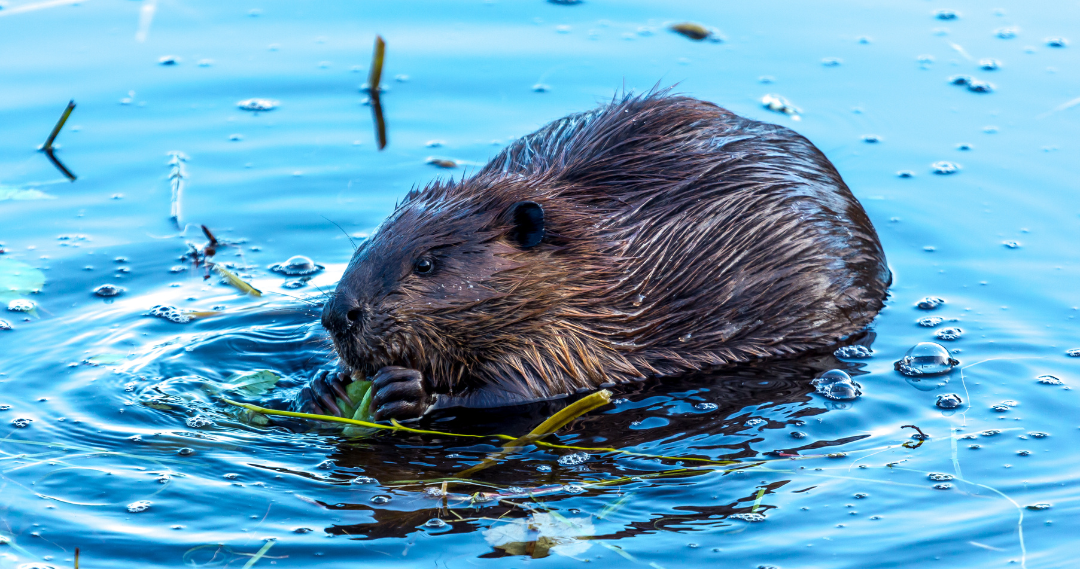
The American beaver is a native species within Colorado and is widely considered to be a keystone species within the state due to beavers’ unique ability to shape and enrich the ecosystems they inhabit through their instinctive dam and lodge building. Beavers are nature’s engineers, and the structures they build help riparian areas to store water with numerous beneficial effects for wildlife, hydrology and people.
Wetlands comprise just 2% of the land-surface area in Colorado, but they serve as a habitat for over 75% of the state’s native species. Within these critical ecosystems, the beaver-engineered ponds are hotspots for numerous species including freshwater fish, aquatic mammals, waterfowl, amphibians, reptiles and invertebrates. Beaver ponds recharge surrounding aquifers–lessening the impacts of climate change-related drought conditions, they moderate the flow of extreme flood events, and even help to limit the damage of wildfires where they are present.
Despite all of the benefits beavers provide for Colorado’s watersheds, a centuries-long legacy of hunting the rodents for their fur and to prevent them from creating wetlands in pastures suitable for ranching has drastically reduced beaver populations within the state and across North America. These long-term pressures have been exacerbated recently by the compounding effects of climate change and expanded urbanization. As a result, currently numerous riparian areas that are suitable habitat for beavers and that would benefit from their presence are without these natural engineers.
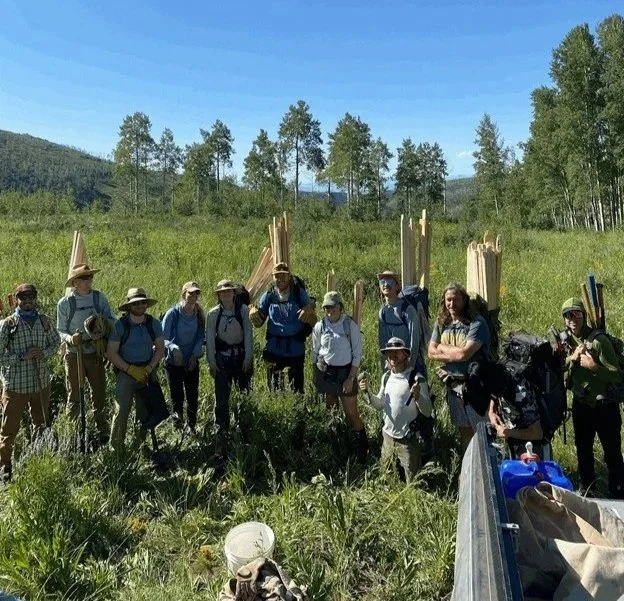
Butler Creek BDA Community Project | 2025
But not all is lost for these buck-toothed heroes. Over the last 10 years scientists and land managers have begun to recognize the indispensable role beavers play within ecosystems, and relocation projects to reinstall beavers in suitable wetland habitats have become increasingly common across the state. Even in natural areas where beavers are not currently present, humans are installing structures that mimic beaver dams and lodges in form and function. Land managers throughout the state have begun to build beaver dam analogues (BDA’s), permeable and channel-spanning structures that imitate beaver dams, promote similar hydrologic processes, and have even been demonstrated to entice beavers to move back into areas where they were previously absent.
Throughout the past two seasons in partnership with the US Forest Service and Wilderness Workshop, RFOV volunteers have contributed to the process of re-beavering our local landscape through the construction of BDA’s in Butler Creek, located 1.5 hours north of Rifle, CO on Coulter Mesa. Since 2024, RFOV volunteers have built 22 BDAs over 3,174 feet of Butler creek–helping to restore the ecologic function of 5.5 acres of wetlands. These structures have already improved habitat within the creek for trout and have significantly reduced streambank erosion within the waterway. Long-term, our partners with the US Forest Service hope that the ecological improvements generated by these BDA’s may improve the suitability of the watershed for beavers and entice them to move back in.
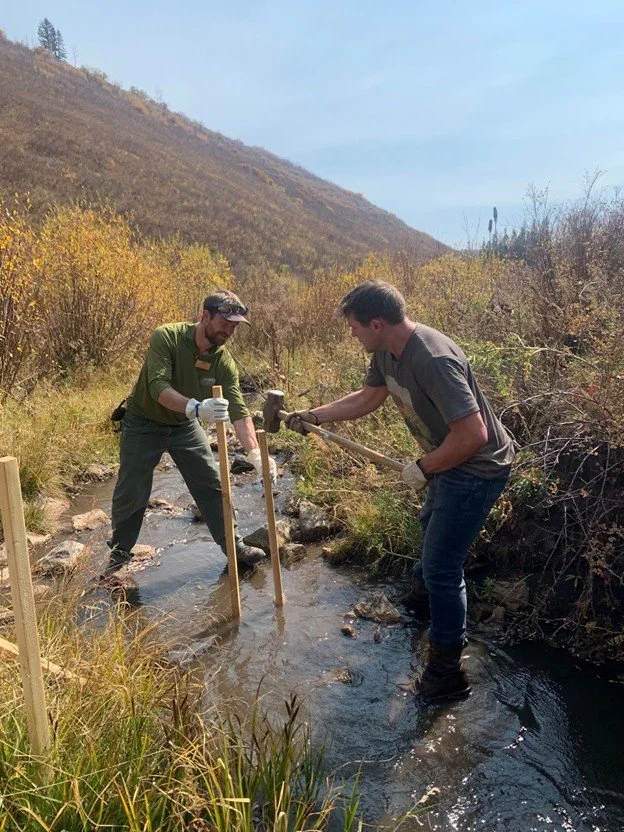
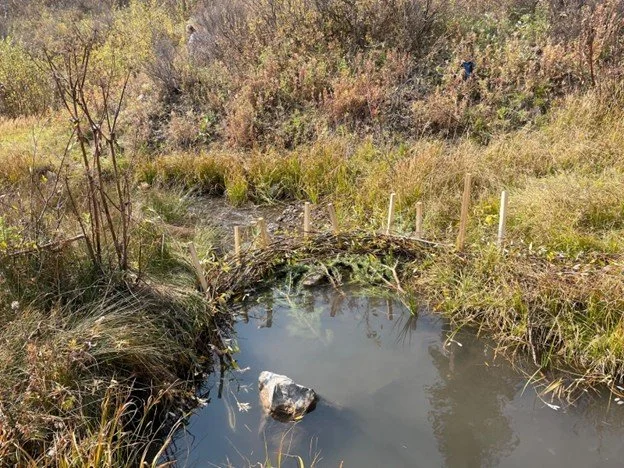
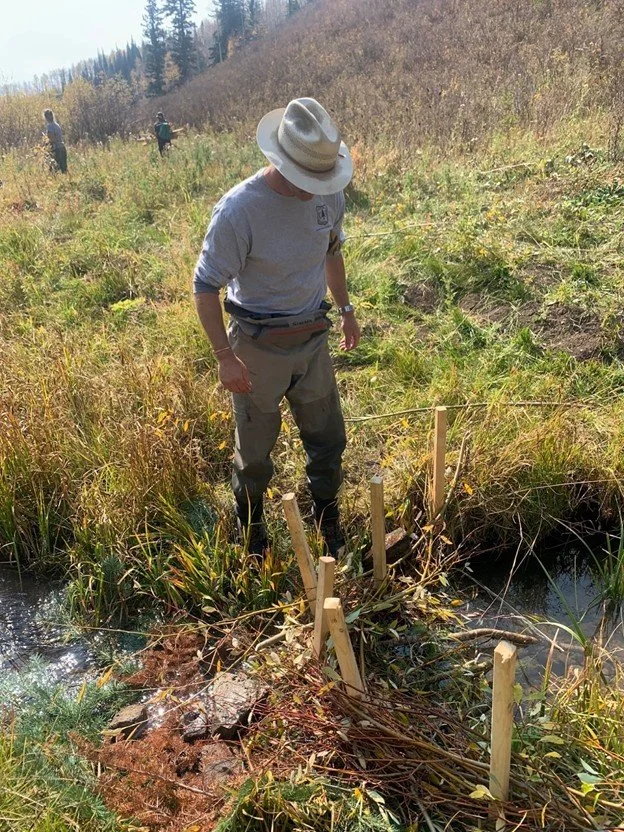
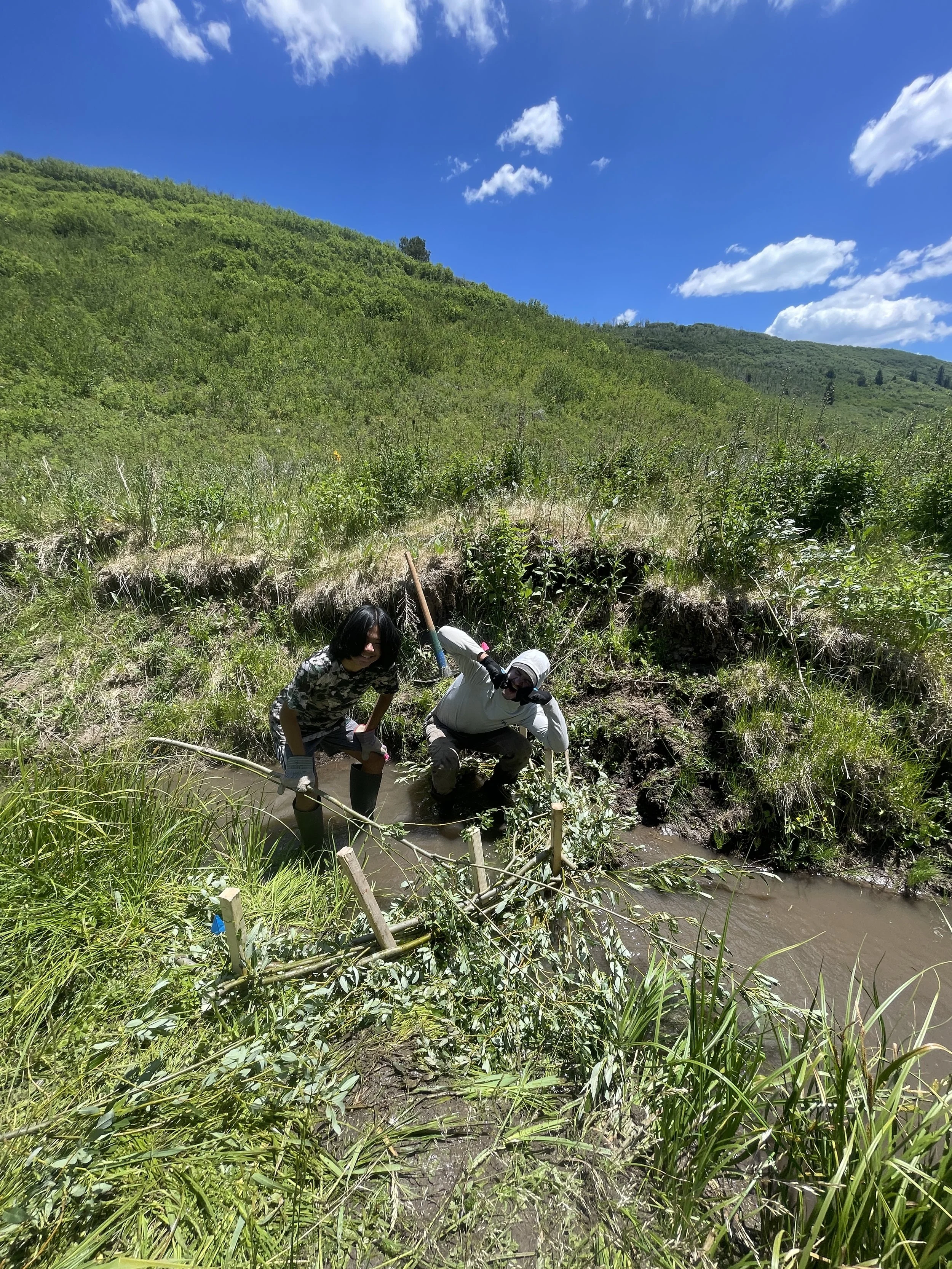
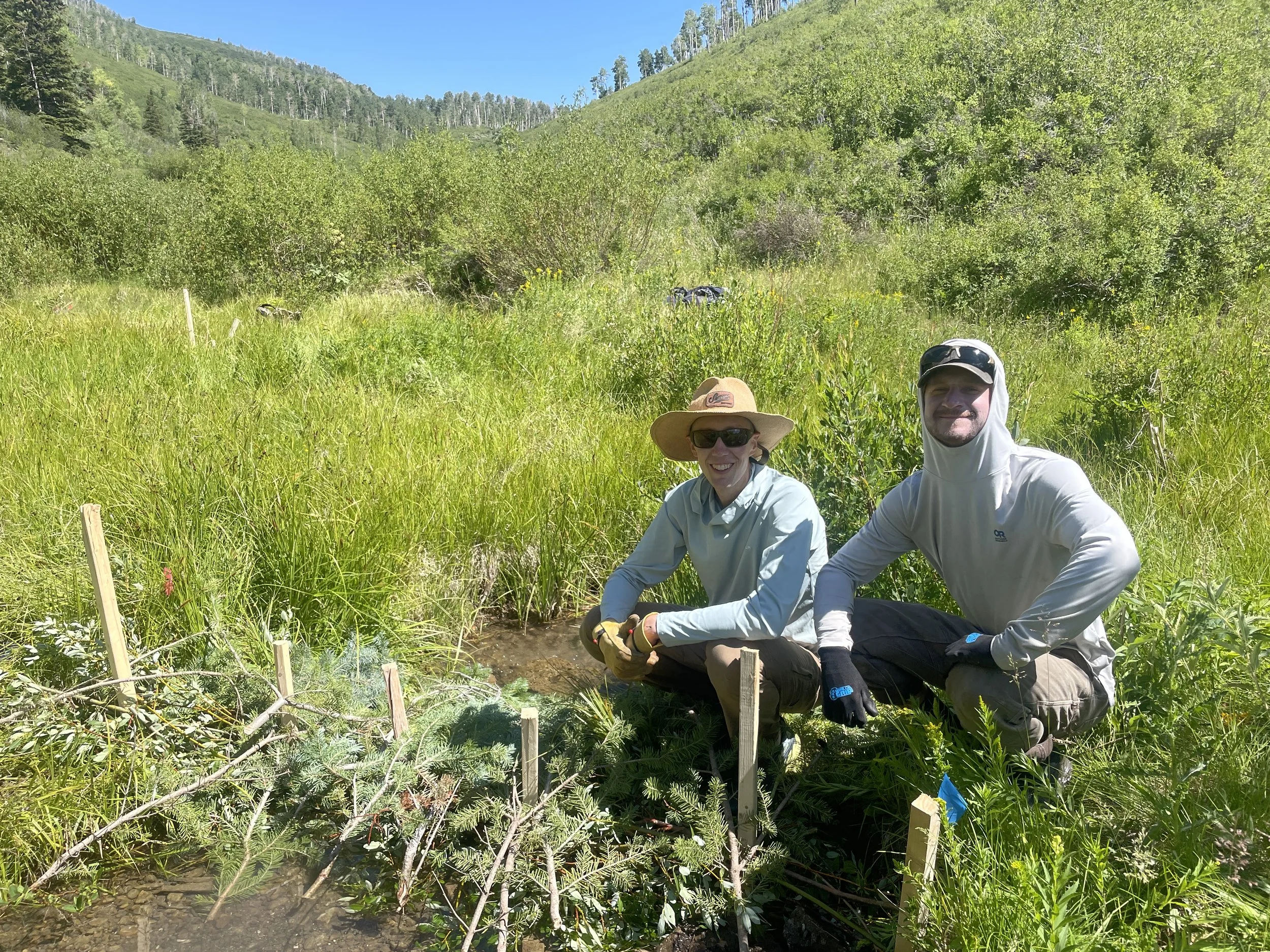
In August of 2026, RFOV plans to continue our partnership with the US Forest Service to build more BDA’s in a newly approved project within Four Mile Park, south of Glenwood Springs. If you are interested in beavers, or would like to better understand how BDA’s are constructed, please consider joining RFOV in this important work that directly benefits wildlife, humans and ecosystem resilience.
