
Coal Basin Ranch tells a powerful story of transformation—one that spans generations, land use shifts, and a shared commitment to healing a deeply impacted landscape.
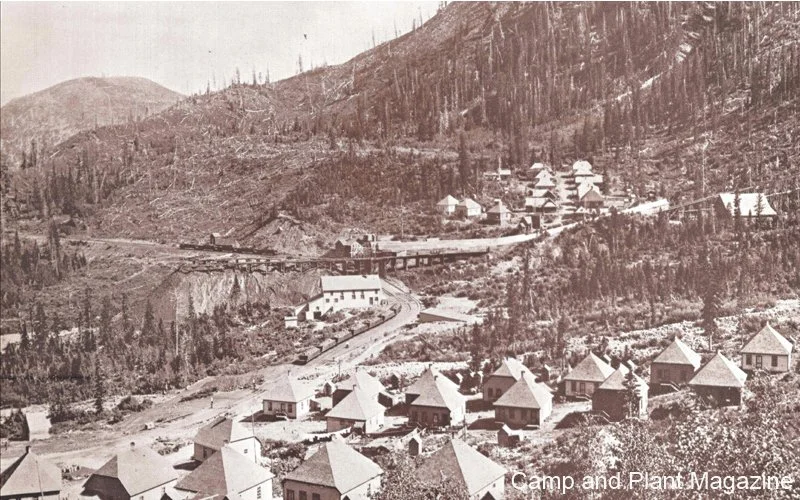
Coal Basin Valley. Photo from Redstone Historic Society, Camp and Plant Magazine, 1904.
Once the base for an active coal mine, operations at Coal Basin closed in 1991, leaving behind lasting degradation to soil, water, and vegetation. While the Bureau of Reclamation led early restoration efforts on surrounding public lands managed by the U.S. Forest Service, the privately owned parcel that would become Coal Basin Ranch remained largely untouched for years. That began to change in 2017, when a new vision emerged: to honor the site’s industrial and cultural history while restoring ecological function and welcoming the public into a shared, community-centered open space.
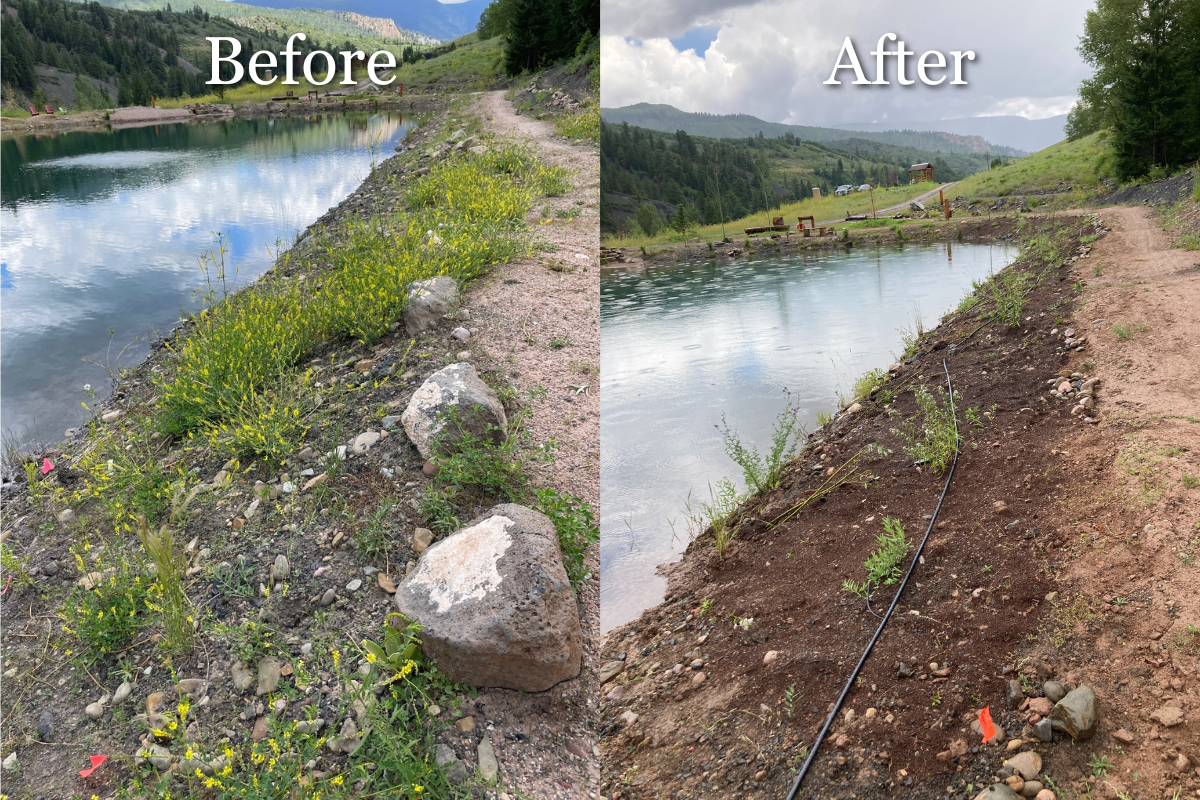
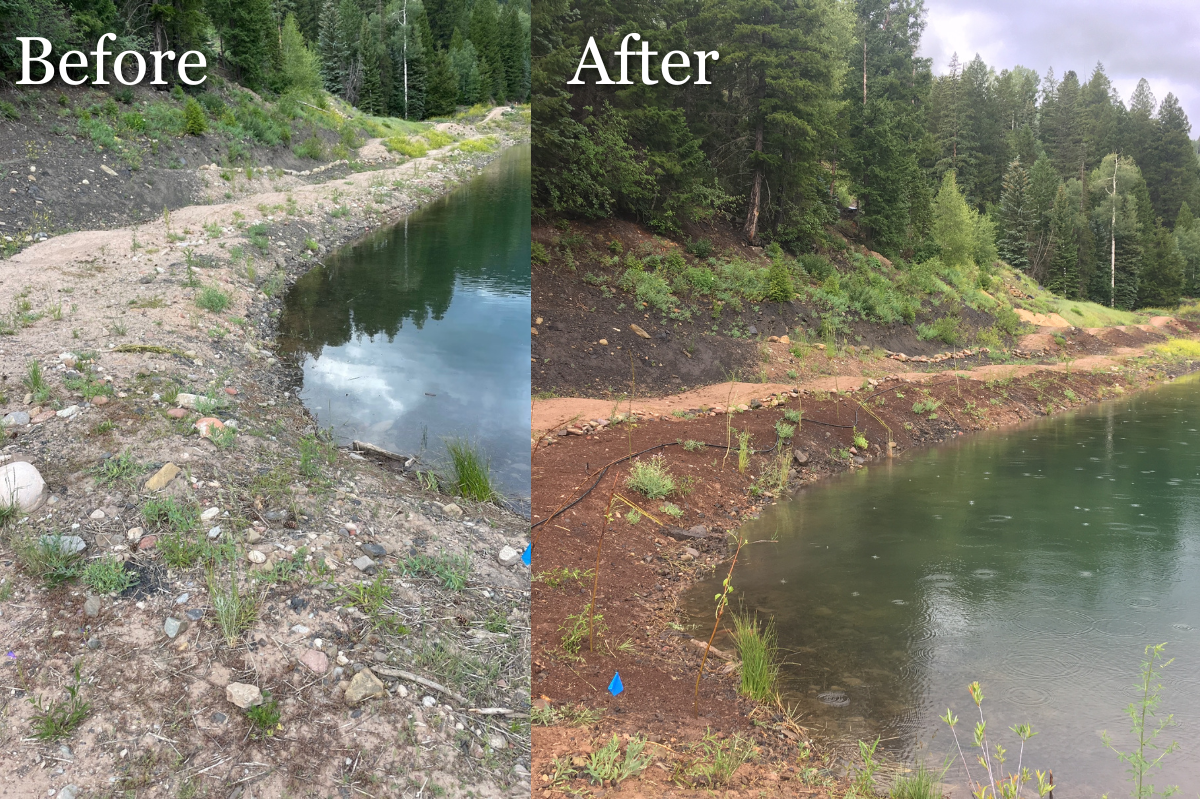
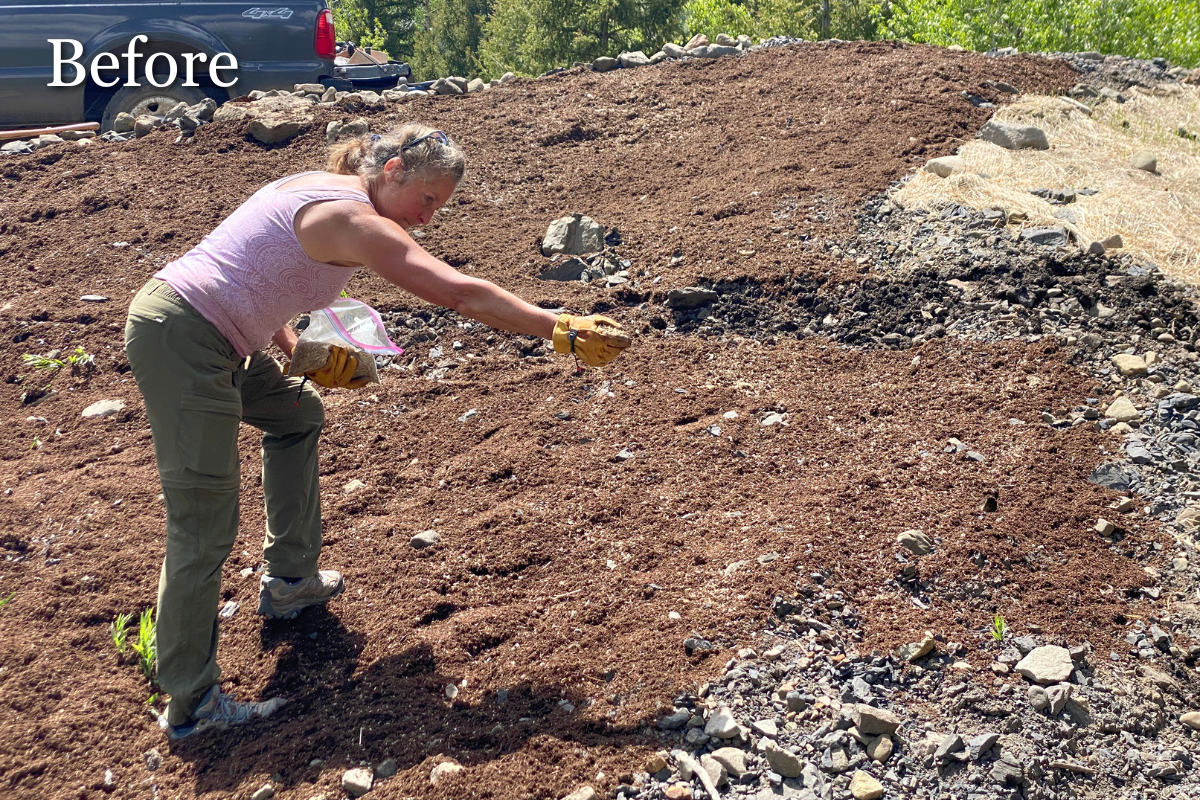
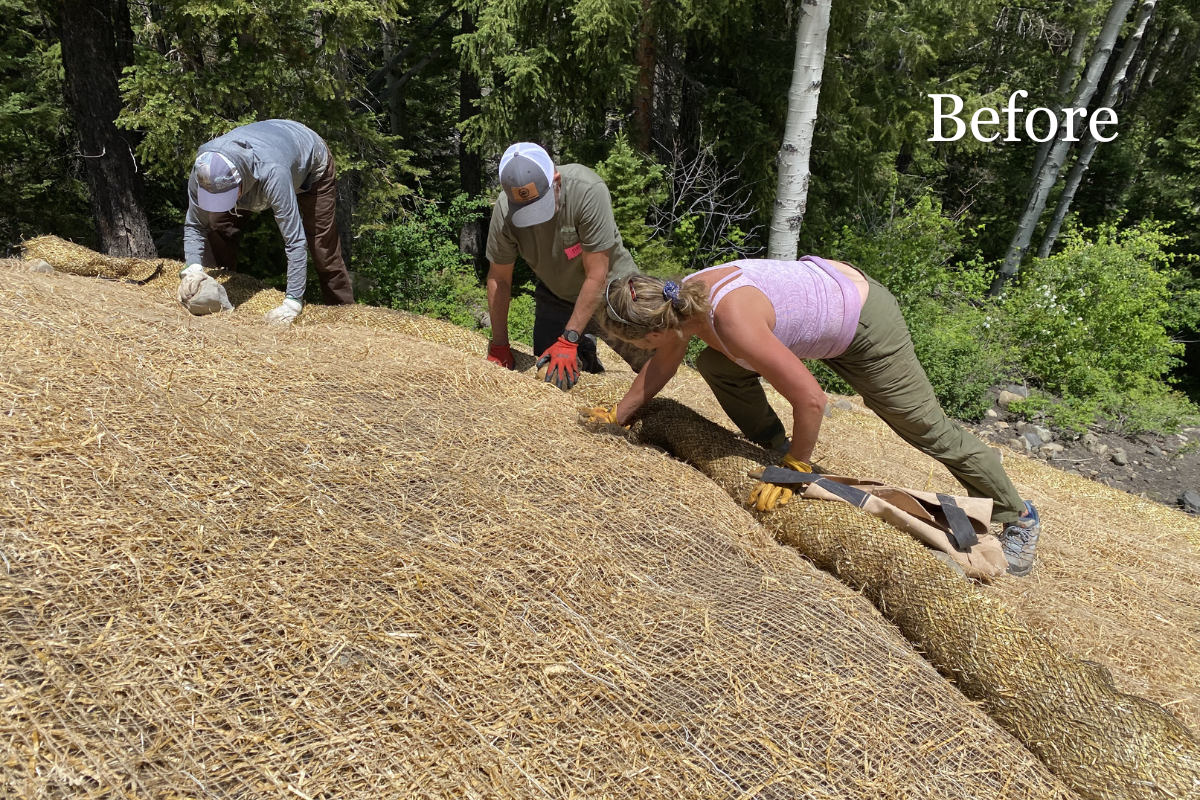
Trail building and restoration efforts formally began in 2017, and Coal Basin Ranch opened to the public in 2021. Since then, the work has been both ambitious and deeply intentional. More than 3,000 trees and shrubs have been planted, with significant soil amendments required to counteract lingering coal residue and industrial pollution. Restoration has included invasive species management, erosion control, transplanting cottonwoods, harvesting and planting native seed, and rebuilding wetlands and streambanks—foundational work that supports long-term ecological recovery.

First RFOV Community Project at Coal Basin Ranch in 2022
Roaring Fork Outdoor Volunteers began partnering closely with Coal Basin Ranch in 2022, returning year after year to support this evolving landscape. Over 32 project days, RFOV has contributed more than 750 volunteer hours and 1,000 staff hours to restore 3 acres of degraded land, over an acre of wetlands, and stabilize thousands of feet of streambank.
Today, Coal Basin Ranch is not only a site of ecological restoration, but also a vibrant community gathering place. The ranch hosts three summer concerts as part of Redstone Magical Moments, offers place-based history lessons in partnership with the Redstone Historical Society, and welcomes youth groups, educators, and community organizations from across the region.
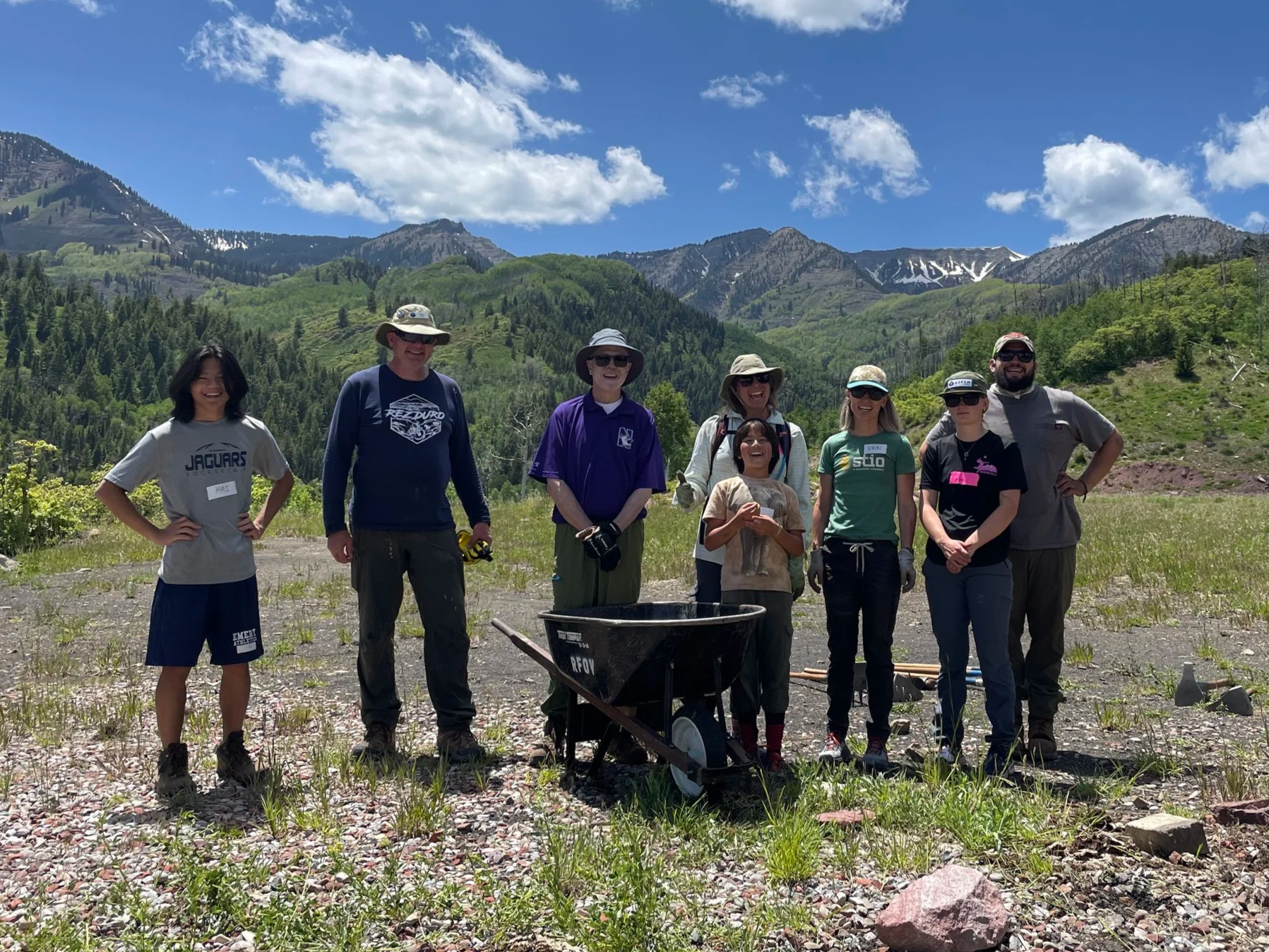
2025 | After completing Seraque to Ute Point connector on National Trails Day
Cultural respect and learning are central to the ranch’s future. Ute Elder Roland McCook has visited the site to share perspectives on land movement, restoration, and history. He helped name a newly completed hiking trail to Ute Point, Seraque—meaning breathe or breathless—a fitting name for both the sweeping views and the land’s ongoing recovery.
Looking ahead, Coal Basin Ranch aims to continue balancing recreation with restoration human use with ecological health. Through education, access, and hands-on stewardship, the site invites people not only to enjoy the landscape—but to develop a lasting connection to it. From abandoned mine to thriving public space, Coal Basin Ranch stands as a living example of what’s possible when restoration is treated not as a one-time fix, but as a long-term relationship.
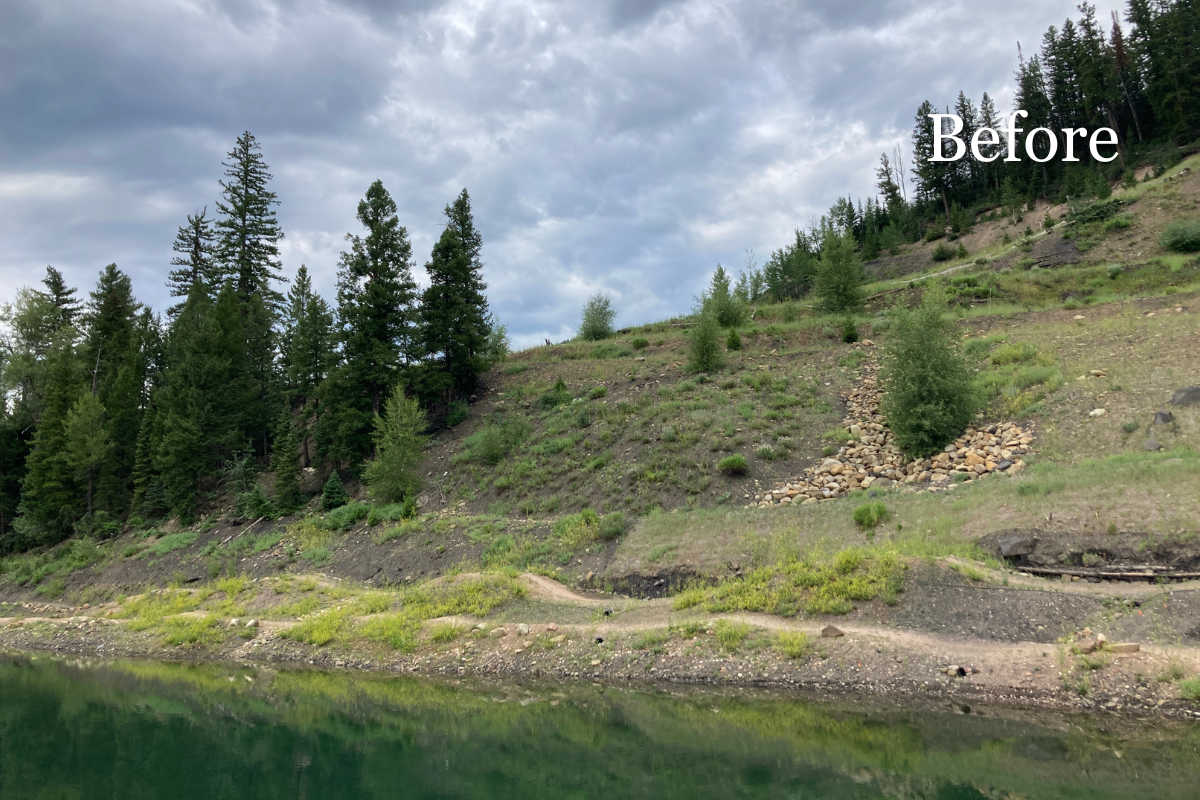
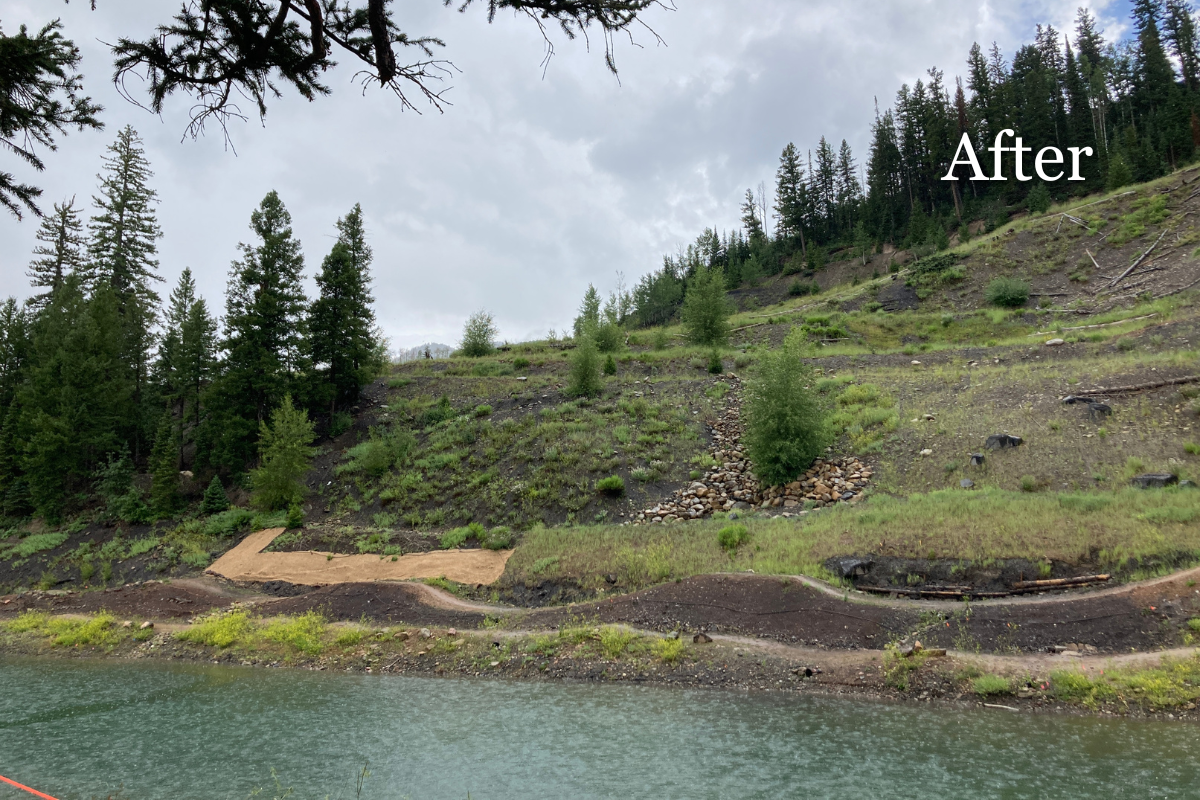
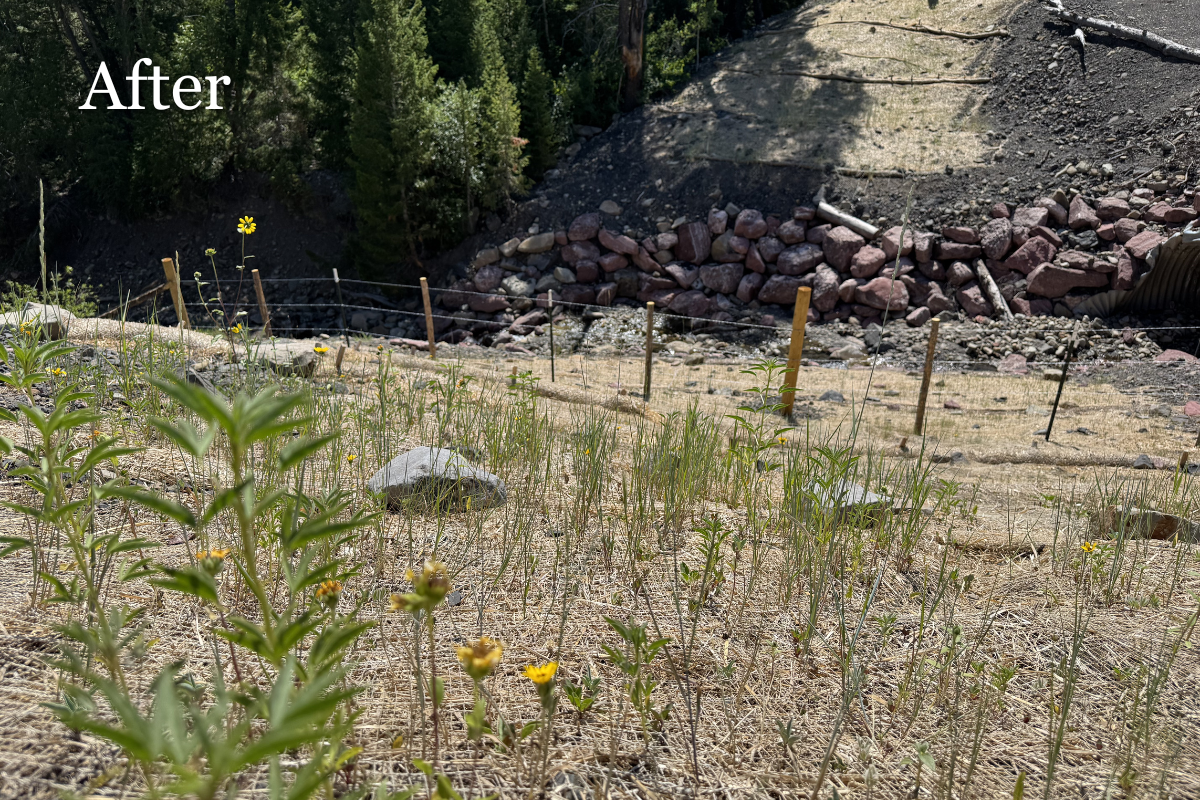
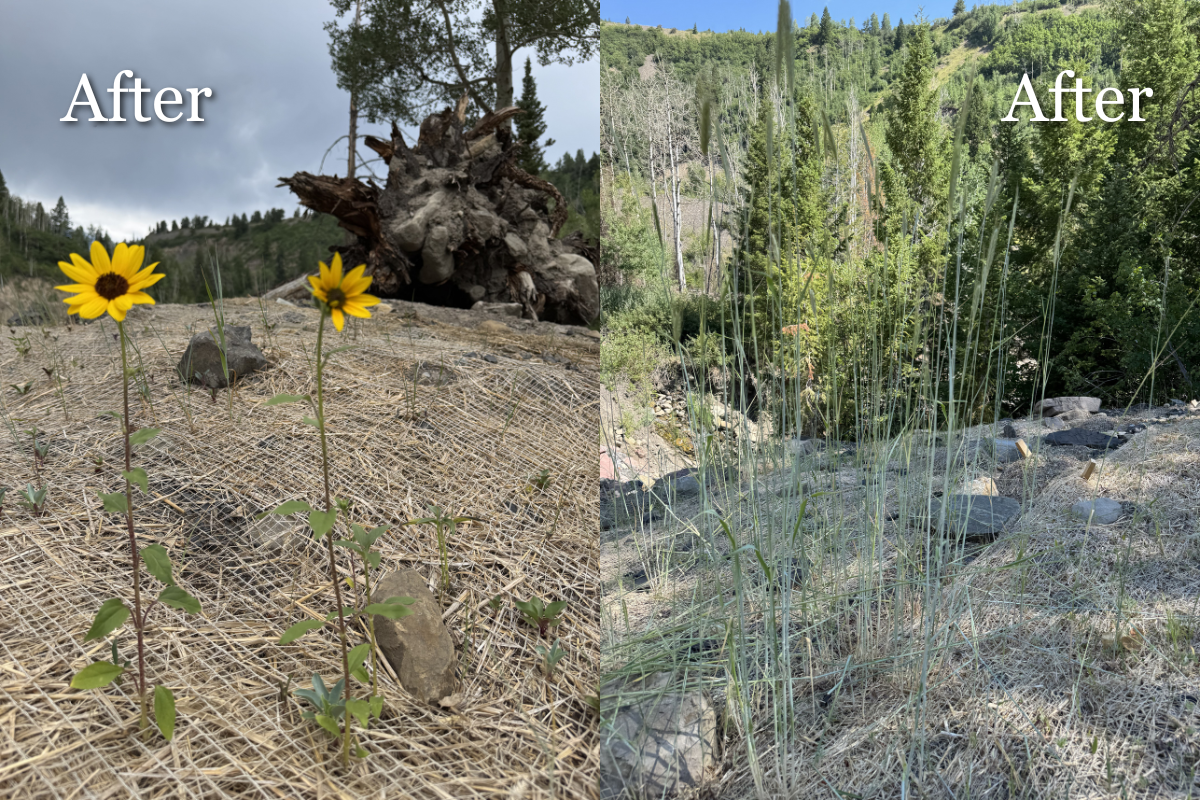
The legacy of Coal Basin Ranch continues in 2026. Restoration here is not a finished chapter, but an ongoing relationship between people and place. Whether you choose to join a project day and contribute to the next phase of ecological recovery, or simply visit for a concert, a walk, or a ride on the trail system, you become part of this landscape’s evolving story.
